
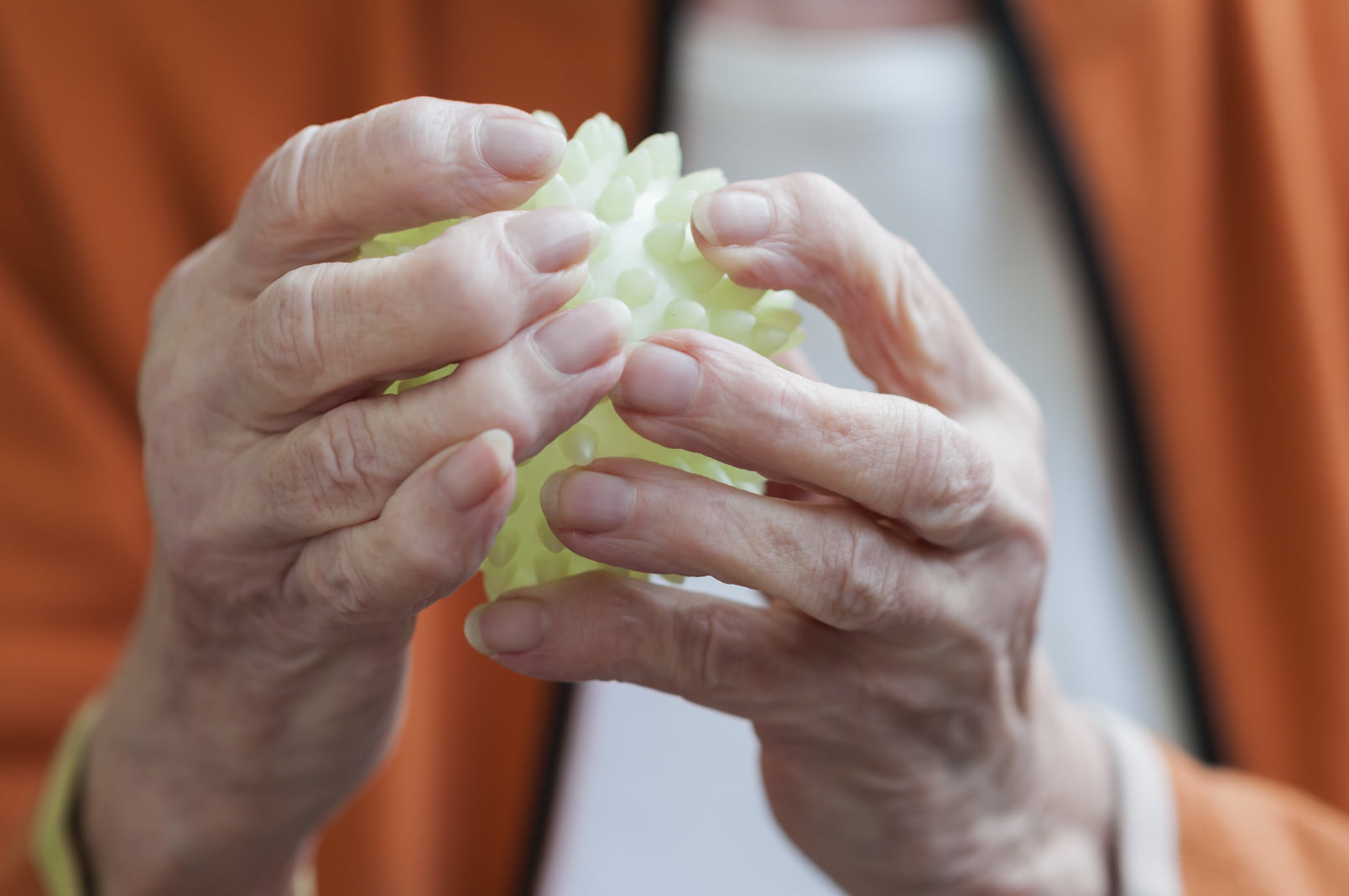
In dementia care, one of the most overlooked pathways to connection, healing, and engagement is the body. While much focus is placed on memory loss and language decline, many individuals living with dementia retain the ability to feel, move, and interact physically with their environment. This is especially true for those with bodily-kinesthetic intelligence—people who have always learned best through hands-on activity, physical movement, or muscle memory.
The MĪ Care Survey and Plan, grounded in Dr. Howard Gardner’s Theory of Multiple Intelligences, helps practitioners identify and build upon these retained abilities. Here’s why sensory activities are so important for individuals with dementia who possess strong bodily-kinesthetic intelligence.
1. Tapping Into Preserved Strengths
Bodily-kinesthetic intelligence refers to the capacity to process information and express oneself through physical movement. People with this strength often excelled in activities such as sports, dance, crafting, or using tools. Even when verbal expression is limited, their bodies often “remember.”
Sensory activities—especially those involving touch, rhythm, or motion—can activate long-retained physical memoryand open new channels of engagement that don’t rely on words.
2. Enhancing Mobility and Daily Functioning
As dementia progresses, individuals may lose motivation or confidence to move. Sensory activities like stretching, tapping, or guided movement can maintain or even improve mobility, balance, and coordination.
Simple, familiar motions—like swinging a paddle, folding laundry, or clapping to music—can support range of motionand delay physical decline.
3. Supporting Emotional and Behavioral Wellness
Physical movement doesn’t just benefit the body—it lifts the spirit. Many sensory activities help reduce agitation, anxiety, and depression by offering calming or stimulating feedback to the nervous system.
For someone who struggles to express themselves verbally, the ability to move, touch, or participate physically can become a vital outlet for emotion, identity, and connection.
4. Reinforcing Procedural Memory and Identity
Rhythmic or habitual movement often triggers procedural memory—a type of memory that is preserved long into the dementia journey. Activities like sweeping, tossing a ball, or mimicking dance steps can elicit familiarity, pleasure, and a sense of purpose.
These moments reinforce identity: “This is something I still know how to do.”
5. Strengthening Relationships Through Interaction
Sensory and kinesthetic activities are also powerful because they invite shared experiences. They provide an opportunity for caregivers to engage side-by-side—whether through guided movement, playful games, or comforting touch.
This shared physical engagement promotes trust, connection, and joy, especially for individuals who may struggle with verbal communication.
The MĪ Care Advantage
The MĪ Care Survey and Plan helps identify individuals with bodily-kinesthetic intelligence and suggests tailored activities that align with their strengths. It ensures that care is not just about safety or routine—but about meaningful, strength-based engagement that honors how each person still learns, connects, and thrives.
When we stop focusing only on what’s lost—and start looking at what remains—we unlock new possibilities for care that is human, hopeful, and healing.
-Matt Call